Deprecated: Methods with the same name as their class will not be constructors in a future version of PHP; TDB_ds has a deprecated constructor in /home/uvetcal/public_html/sitioanterior/scripts/lib_dbmysqli.php on line 5
Deprecated: Methods with the same name as their class will not be constructors in a future version of PHP; TDB_con has a deprecated constructor in /home/uvetcal/public_html/sitioanterior/scripts/lib_dbmysqli.php on line 136
Deprecated: Methods with the same name as their class will not be constructors in a future version of PHP; Ocurrencias has a deprecated constructor in /home/uvetcal/public_html/sitioanterior/scripts/xcampos.php on line 118
Deprecated: Methods with the same name as their class will not be constructors in a future version of PHP; CF_base has a deprecated constructor in /home/uvetcal/public_html/sitioanterior/scripts/xcampos.php on line 196
Deprecated: Methods with the same name as their class will not be constructors in a future version of PHP; CF_hidden has a deprecated constructor in /home/uvetcal/public_html/sitioanterior/scripts/xcampos.php on line 262
Deprecated: Methods with the same name as their class will not be constructors in a future version of PHP; CF_file has a deprecated constructor in /home/uvetcal/public_html/sitioanterior/scripts/xcampos.php on line 282
Deprecated: Methods with the same name as their class will not be constructors in a future version of PHP; CF_text has a deprecated constructor in /home/uvetcal/public_html/sitioanterior/scripts/xcampos.php on line 302
Deprecated: Methods with the same name as their class will not be constructors in a future version of PHP; CF_password has a deprecated constructor in /home/uvetcal/public_html/sitioanterior/scripts/xcampos.php on line 337
Deprecated: Methods with the same name as their class will not be constructors in a future version of PHP; CF_textarea has a deprecated constructor in /home/uvetcal/public_html/sitioanterior/scripts/xcampos.php on line 356
Deprecated: Methods with the same name as their class will not be constructors in a future version of PHP; CF_checkbox has a deprecated constructor in /home/uvetcal/public_html/sitioanterior/scripts/xcampos.php on line 402
Deprecated: Methods with the same name as their class will not be constructors in a future version of PHP; CF_radio has a deprecated constructor in /home/uvetcal/public_html/sitioanterior/scripts/xcampos.php on line 470
Deprecated: Methods with the same name as their class will not be constructors in a future version of PHP; CF_select has a deprecated constructor in /home/uvetcal/public_html/sitioanterior/scripts/xcampos.php on line 511
Deprecated: Methods with the same name as their class will not be constructors in a future version of PHP; CF_keyedselect has a deprecated constructor in /home/uvetcal/public_html/sitioanterior/scripts/xcampos.php on line 586
Deprecated: Methods with the same name as their class will not be constructors in a future version of PHP; CF_fecha has a deprecated constructor in /home/uvetcal/public_html/sitioanterior/scripts/xcampos.php on line 715
Deprecated: Methods with the same name as their class will not be constructors in a future version of PHP; CF_textarea_spaw has a deprecated constructor in /home/uvetcal/public_html/sitioanterior/scripts/xcampos.php on line 770
Deprecated: Methods with the same name as their class will not be constructors in a future version of PHP; CF_editor_CK has a deprecated constructor in /home/uvetcal/public_html/sitioanterior/scripts/xcampos.php on line 810
Deprecated: Methods with the same name as their class will not be constructors in a future version of PHP; CF_font has a deprecated constructor in /home/uvetcal/public_html/sitioanterior/scripts/xcampos.php on line 841 Veterinaria Cálice - Montevideo, Uruguay
Deprecated: Methods with the same name as their class will not be constructors in a future version of PHP; TMenuItem has a deprecated constructor in /home/uvetcal/public_html/sitioanterior/scripts/menuclass.php on line 17
Deprecated: Methods with the same name as their class will not be constructors in a future version of PHP; TMenu has a deprecated constructor in /home/uvetcal/public_html/sitioanterior/scripts/menuclass.php on line 153
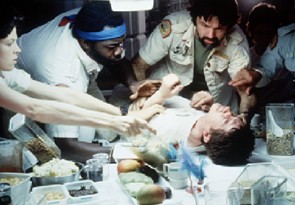
Aquella horrible criatura que salía de la barriga de uno de los tripulantes de la nave espacial en la película “Alien”, bien podría servir para grabar el impacto que tienen algunos parásitos sobre la salud de quienes los padecen, considerando además que muchos parásitos que afectan al perro y al gato son zoonosis, es decir, enfermedades que nos pueden contagiar. El Ascaris es como un indeseable pasajero oculto que viaja en la nave que es el huésped que lo aloja en el intestino.
Un relevamiento en parques y plazas de una ciudad argentina utilizada como modelo del riesgo sanitario, reveló que en un alto porcentaje las muestras examinadas buscando huevos de las distintas especies de "lombrices contagiosas", eran positivas y es altamente probable que en nuestra ciudad, la situación sea similar o más grave aún.
Los síntomas pueden variar desde no tener ninguno, hasta problemas respiratorios y digestivos serios. Para el perro tan solo basta husmear la materia fecal en la calle o lo que queda de ella luego de alguna lluvia (nada visible), para que los huevos de éstos parásitos ingresen a su cuerpo. En el caso de los cachorros que no salen a la calle aún, la madre es quien se los transfiere. Luego, el proceso simplificado es el siguiente: cada huevo contiene una larva que desde el intestino viaja por sangre, pasa por el hígado y el corazón la distribuye a todo el cuerpo, desde pulmones son expectoradas y tragadas para volver al tubo digestivo y transformarse ahora sí, en adultos capaces de reproducir el ciclo. A este proceso se le llama migración larvaria y estas formas juveniles pueden producir daño en cada órgano que visitan. La larva migrante de los ascárides afecta al hombre pudiendo causar problemas en ojos (disminución de la agudeza visual), cuadros respiratorios asmatiformes y daño en el sistema nervioso, entre otros. Los niños más pequeños (1-4 años) son los más afectados por el contacto estrecho con perros y gatos y el hábito de llevarse a la boca sustancias no comestibles.
Aquí conocerá partes del ciclo biológico de los Áscaris que afectan al perro y al gato y son contagiosos para el ser humano.
No son necesarios supercañones y mega bazucas como las de Sigourney Weaver para exterminar a estos pequeños aliens cotidianos. Pueden detectarse sus huevos con los exámenes apropiados y es una medida sensata y conveniente mantener libre a su perro de estos molestos invasores, con una dosificación preventiva cada tres meses con las pastillas correspondientes.



 Volver